

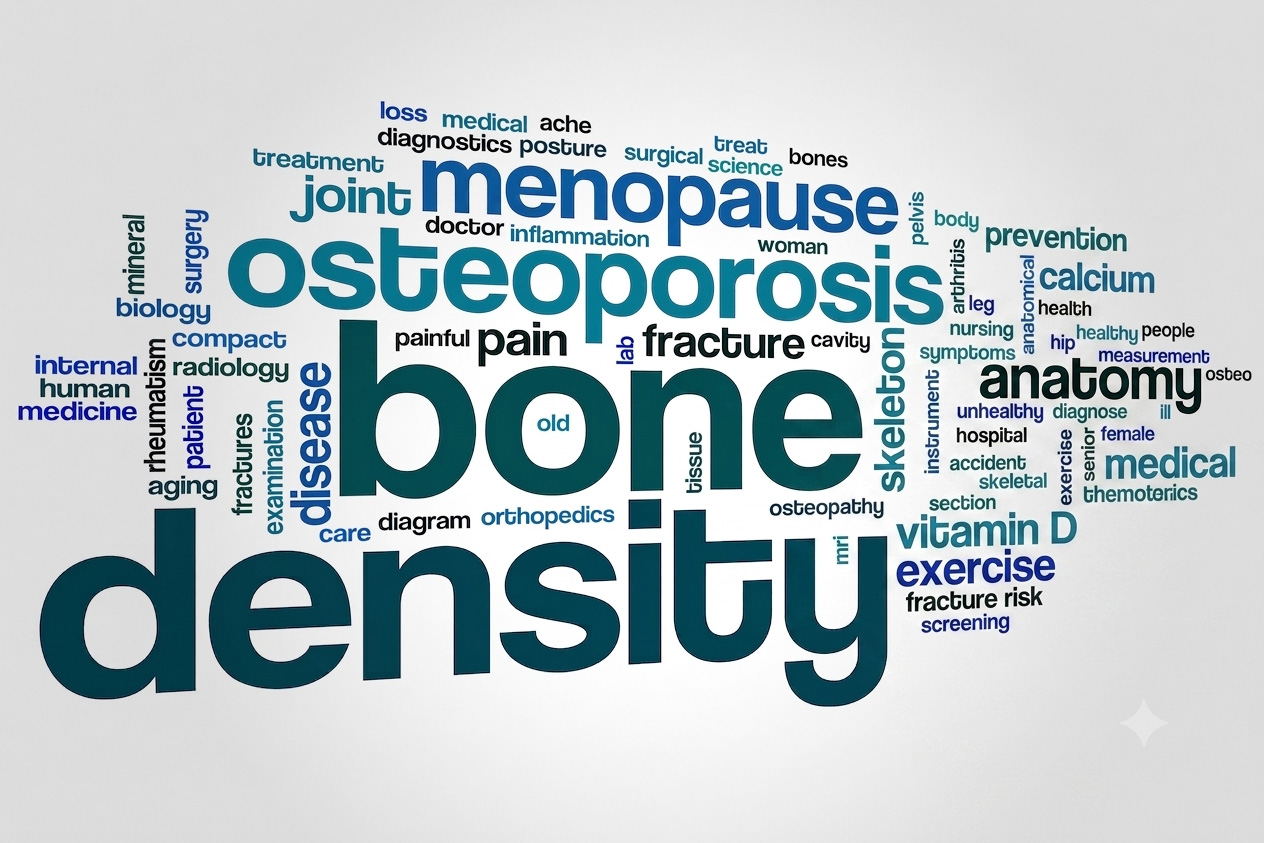
If you are a woman in midlife you need to think about how you can remain active, independent, and capable for as long as possible. Strong bones are absolutely fundamental to that vision. Yet, bone health is rarely part of the conversation – until there is a problem.
Much like high blood pressure or high cholesterol, osteoporosis (the thinning and weakening of bones) develops silently. There are no obvious warning signs; we cannot feel our bones losing their density. For many women, the very first symptom is a fracture resulting from a seemingly minor fall. By then, valuable years of prevention have often been lost.
If there is one demographic that needs to take bone health seriously right now, it is women approaching midlife.

The Menopause Connection: What’s Happening Inside?
Before menopause, the hormone oestrogen plays a crucial role in protecting our skeletal system. Throughout our lives, our bone tissue is constantly being broken down and rebuilt. Oestrogen acts as a regulator, keeping the perfect balance between the cells that remove old bone and the cells that build new bone.
During perimenopause and menopause, however, oestrogen levels drop dramatically.
As a result, bone breakdown quickly begins to outpace bone formation.
Because of this transition, women can lose significant amounts of bone density in a short period without even realising it. This biological shift explains why osteoporosis affects women disproportionately: about 1 in 2 women over the age of 50 will experience an osteoporosis-related fracture in their lifetime. While Hormone Replacement Therapy (HRT) can be supportive, it isn’t the right fit for everyone.
Protecting your skeletal foundation at this stage is a non-negotiable requirement.
Giving Your Bones What They Demand
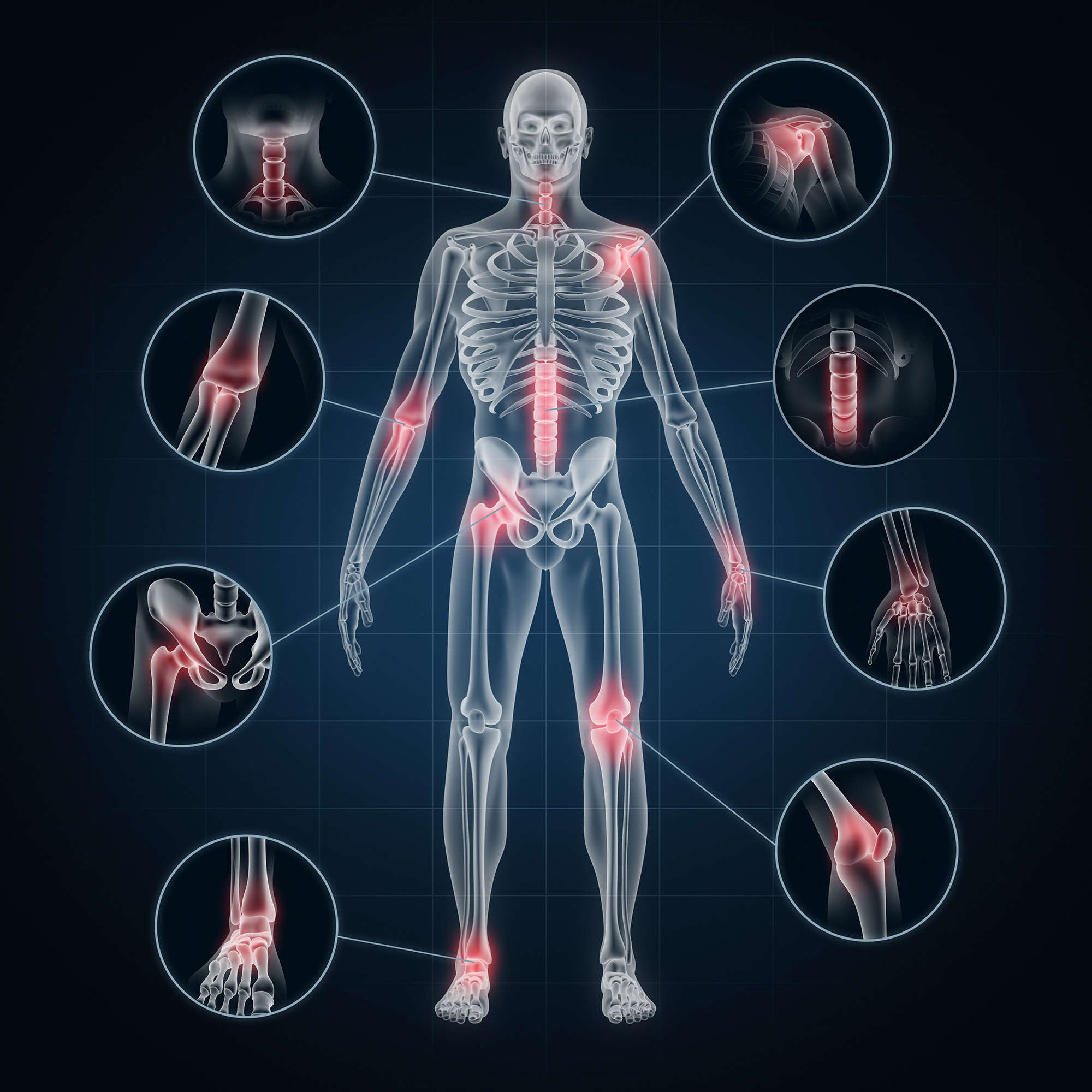
Bone is dynamic, living tissue that responds directly to the physical demands we place on it. Every time we jump, land, push, pull, or absorb impact, we send a mechanical signal to our bone-building cells, telling them it is time to get stronger.
The earlier we build this “bone bank,” the greater the reserves we carry into later life. However, it is never too late to start.
While walking is excellent for cardiovascular health, it isn’t enough to stimulate new bone growth. Your bones respond best to direct challenges: resistance training, impact, and muscular loading.
The good news?
It doesn’t require spending hours lifting heavy weights in a traditional gym.
Modern technology allows us to stimulate these bone-building pathways much more efficiently:
- Whole-Body Vibration (Power Plate): Just 30 minutes on a Power Plate machine uses rapid vibrations to force your muscles to contract and expand, creating safe, high-frequency loading that stimulates bone density.
- PEMF Therapy (Pulsed Electromagnetic Field): Originally utilised in conjunction with NASA to restore bone density to astronauts returning from zero-gravity environments, medical-grade PEMF is an FDA-approved, completely non-invasive therapy. It delivers low-frequency electromagnetic fields that recharge bone cells at a cellular level, accelerating repair and bone signalling.
If you already have a diagnosis of osteopenia or osteoporosis, a history of fractures, or you simply dislike traditional exercise, working with a PEMF specialist can give you a safe, pain-free path to strengthening your bones without putting your joints at risk.
Your First Step: Stop Guessing, Start Testing
You cannot manage what you do not measure.
I urge any woman over the age of 50 – or anyone experiencing the symptoms of perimenopause – to actively assess their bone health.
At Soma House, we offer quick, easy, and highly accurate bone density testing to give you a clear baseline of your skeletal strength. Once we know your baseline, our team can help you build a proactive plan using cutting-edge tools like PEMF therapy in High Wycombe to protect your independence and keep you moving confidently for decades to come.
