

Cultural significance of gambling exploring traditions and beliefs across societies
The Historical Roots of Gambling
Gambling has been an integral part of human society since ancient times, with evidence of games of chance found in archaeological sites dating back thousands of years. In various cultures, gambling has often served dual purposes: entertainment and a means of social bonding. Ancient civilizations, such as the Chinese and the Romans, utilized dice and betting games not only as leisure activities but also as ways to foster community ties during gatherings and festivals. These early practices laid the groundwork for contemporary forms of gambling seen across the globe, including innovative online platforms like https://ice-fishing-game.uk.net/.

As societies evolved, so too did their approaches to gambling. For example, in medieval Europe, betting on knightly tournaments became a popular pastime, intertwining gambling with the social hierarchy of the time. The Church, however, viewed these activities with suspicion, leading to an ongoing conflict between moral beliefs and the desire for entertainment. This tension shaped the regulation of gambling, leading to the emergence of laws that governed its practice, reflecting broader societal values and norms.
In contrast, indigenous cultures often incorporated gambling into their spiritual rituals. Tribes would engage in games during ceremonies as a way to honor their ancestors or seek guidance from spiritual forces. This highlights how gambling transcends mere financial transactions; it is woven into the fabric of cultural identity and belief systems, serving as a medium for expressing both joy and spirituality.
Cultural Variations in Gambling Practices
The variety of gambling practices around the world reflects deep-rooted cultural values and beliefs. In some Asian societies, for instance, gambling is often perceived as a family affair, where activities like mahjong or poker serve to strengthen familial bonds. Chinese New Year celebrations prominently feature gambling games, emphasizing luck and prosperity as essential themes. These gatherings not only provide entertainment but also reinforce social cohesion among family members.
Conversely, in Western cultures, gambling has been commercialized, often linked to entertainment sectors like casinos and sports betting. While this has made gambling more accessible, it has also led to debates about its societal implications, including addiction and economic inequality. The portrayal of gambling in media, from films to television shows, further shapes public perception, often romanticizing the thrill while downplaying the potential risks associated with it.
In addition, religious beliefs play a significant role in shaping attitudes towards gambling. In some cultures, it is embraced and viewed as a source of luck or fortune, while in others, it is strictly forbidden. For example, Islamic teachings generally prohibit gambling, emphasizing responsible financial behavior. This divergence in belief systems showcases how gambling practices are not just about chance but are also deeply tied to ethical and moral frameworks within different societies.
The Role of Gambling in Modern Society
In today’s world, gambling has transformed into a multi-billion-dollar industry that significantly impacts economies and cultures. The rise of online gambling platforms has democratized access, allowing individuals to participate from the comfort of their homes. This accessibility has led to a growing conversation about responsible gambling practices and the importance of safeguarding vulnerable populations. Governments and organizations are now tasked with finding a balance between allowing entertainment and protecting public health.
Furthermore, the integration of technology in gambling has created a new cultural phenomenon. Live casinos and virtual reality gaming offer immersive experiences that attract younger demographics. These innovations not only enhance the gaming experience but also redefine traditional beliefs about gambling, making it more socially acceptable in some circles while still raising concerns about addiction and over-reliance on technology.
Additionally, gambling continues to serve as a form of social engagement, with communities organizing events around betting activities. Charity tournaments and local gambling festivals not only contribute to fundraising efforts but also reinforce community bonds. This duality of gambling as both a source of entertainment and a means for social good exemplifies its enduring cultural significance in contemporary society.
The Psychological and Social Impacts of Gambling
The psychological aspects of gambling are complex and multifaceted, often leading to both enjoyment and challenges. Many individuals are drawn to gambling due to the thrill of risk-taking and the excitement of potential rewards. This phenomenon can foster feelings of empowerment and control, albeit temporarily. However, this allure can also lead to detrimental effects, including addiction, which impacts individuals, families, and communities. Understanding these psychological dimensions is crucial for developing effective interventions.
Moreover, the social implications of gambling extend beyond individual experiences. Problem gambling can strain relationships, leading to financial difficulties and emotional distress among families. Conversely, when approached responsibly, gambling can bring people together, whether through shared experiences at a casino or friendly games at home. The balance between these opposing forces underscores the need for a nuanced perspective on gambling’s role in society.
Communities often respond to the challenges posed by gambling through support groups and educational programs aimed at promoting responsible gaming. These initiatives highlight the importance of awareness and understanding of gambling behaviors, empowering individuals to make informed choices. By fostering a culture of responsibility, societies can mitigate the negative impacts while embracing the social aspects that gambling can offer.
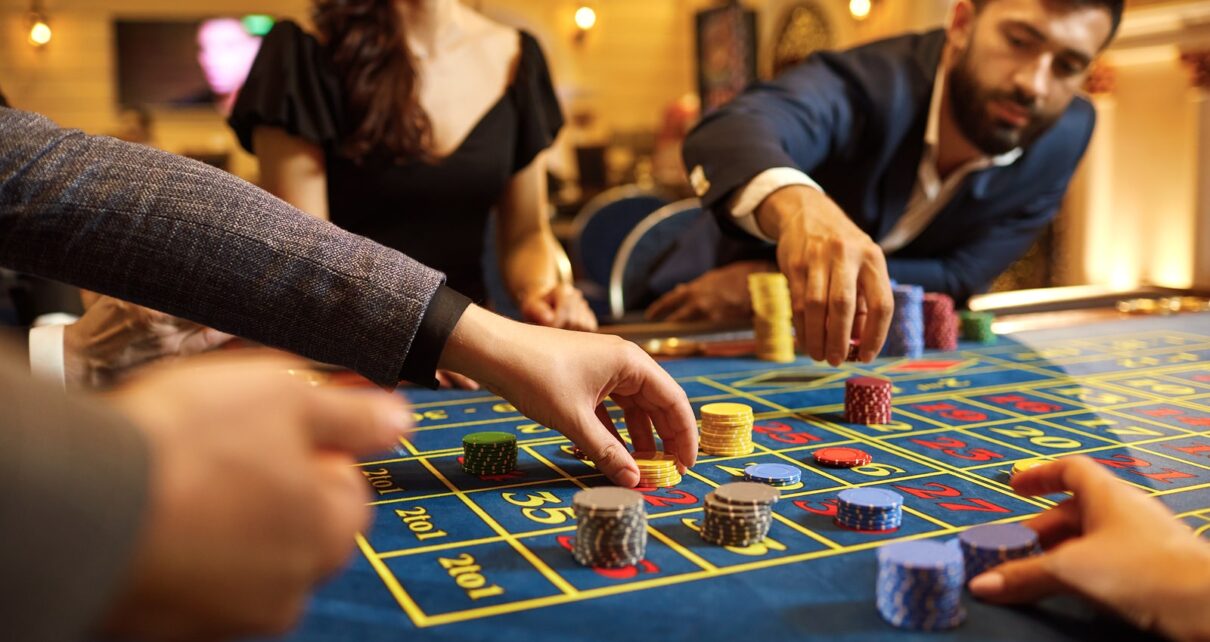
Explore the Depths of Gambling Culture on Our Platform
Our platform serves as a comprehensive resource for exploring the vast cultural significance of gambling across societies. With an extensive collection of articles, guides, and insights, we aim to illuminate the intricate relationship between gambling practices and cultural beliefs. Whether you are interested in historical perspectives or modern trends, our content is designed to inform and engage.
Additionally, we provide a user-friendly experience that allows you to delve deeper into specific topics that resonate with your interests. From understanding various gambling traditions to exploring responsible gaming practices, our goal is to offer valuable information that promotes awareness and appreciation of the cultural nuances surrounding gambling. Join us in discovering the multifaceted world of gambling and its enduring significance across cultures.
